
SARMs
SARMs, or Selective Androgen Receptor Modulators, are a class of research compounds designed to interact with androgen receptors in a more targeted and selective way than other anabolics. This is a step up from steroids: towards more results and less side effects


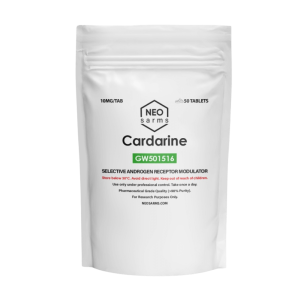
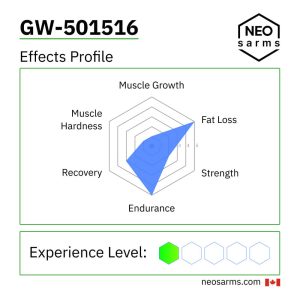
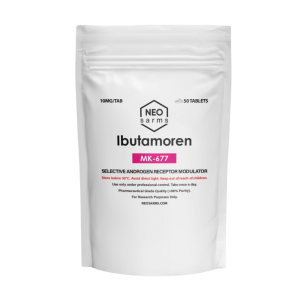
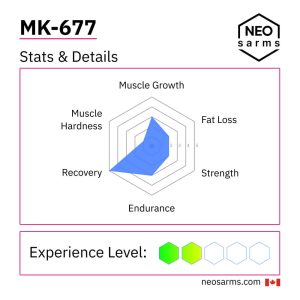
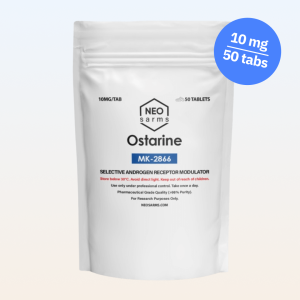
What Are SARMs?
SARMs, or Selective Androgen Receptor Modulators, are research compounds designed to interact with androgen receptors in a more targeted way than traditional anabolic agents.
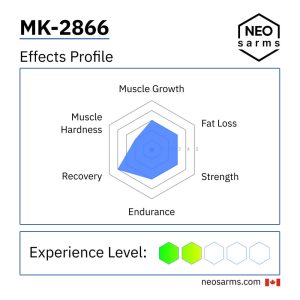
Unlike anabolic steroids, which activate androgen receptors throughout the entire body, SARMs are intended to prioritize muscle and bone tissue. This selective action is why SARMs are commonly used for muscle growth, fat loss, recomposition, strength, endurance, and recovery-focused goals.
How SARMs Work in the Body
SARMs bind to androgen receptors in skeletal muscle and bone, triggering anabolic signaling responsible for:
- Increased muscle protein synthesis
- Improved nitrogen retention
- Enhanced recovery and training output
- Preservation of lean mass during caloric deficits
Because their activity is more selective, SARMs tend to produce leaner, drier results with fewer fluctuations in water retention and body weight compared to broader androgenic compounds.
Why You Might Use SARMs
SARMs are used for precision, not brute force.
You might choose SARMs if your goal is:
- Building lean muscle without excessive bulk
- Losing fat while preserving muscle
- Achieving body recomposition
- Increasing strength without rapid weight gain
- Improving endurance and training capacity
- Supporting recovery and joint health
Different SARMs emphasize different outcomes, which is why compound selection matters.
SARMs vs Anabolic Steroids
While SARMs and anabolic steroids both interact with androgen receptors, they are fundamentally different.
SARMs are:
- Non-steroidal in structure
- More tissue-selective
- Typically taken orally
- Designed to reduce off-target androgenic effects
Steroids are hormone-based, systemically active, and significantly more suppressive. SARMs are not side-effect free, but their risk profile is generally more controllable when used responsibly.
Different Types of SARMs
Not all SARMs do the same thing. They can be broadly grouped by primary effect:
- Muscle-focused SARMs for lean mass and hypertrophy
- Strength-oriented SARMs for density and force output
- Cutting SARMs for preserving muscle during fat loss
- Recomposition SARMs for simultaneous fat loss and lean gain
- Endurance & metabolic compounds for stamina and fat oxidation
- Recovery-oriented compounds for joints, sleep, and tissue repair
Some compounds commonly used alongside SARMs are not technically SARMs, but are grouped here due to complementary effects.
Why SARMs Are Commonly Used in Stacks
Stacking SARMs allows you to:
- Target multiple physiological pathways at once
- Balance anabolic, metabolic, and recovery effects
- Avoid excessive dosing of a single compound
- Customize cycles around specific goals
For example, a cutting stack may combine fat oxidation with muscle preservation, while a bulking stack may pair strong anabolics with recovery support. Stack design defines cycle intensity, not just the number of compounds.
Are SARMs Suppressive?
Some SARMs are mildly suppressive, others are strongly suppressive, and some compounds used alongside SARMs are non-hormonal.
Suppression depends on:
- The specific compound
- Dosage
- Cycle length
- Your individual response
This is why not every SARMs cycle requires Post Cycle Therapy (PCT). Support decisions should be based on planning, symptoms, and bloodwork — not assumptions.
SARMs Research Status and Intended Use
SARMs are sold as research compounds and are not approved as medications.
They are:
- Not approved by Health Canada or the FDA
- Prohibited in tested competitive sports
- Supplied without medical oversight
Products are typically labeled “not for human consumption” and intended strictly for laboratory and research use.
How to Choose the Right SARMs
Choosing SARMs is not about “strongest vs weakest” — it’s about fit.
The right choice depends on:
- Your primary goal
- Your experience level
- How much suppression and recovery management you’re willing to handle
- Your training and nutrition structure
This category includes compounds suited for beginners, advanced users, single-compound cycles, and complex stacks.